Summarize this blog post with: ChatGPT | Perplexity | Claude | Grok
SEO involves two broad areas of work: improving your website and earning recognition beyond it. On-page SEO helps search engines and visitors understand your pages, while off-page SEO helps build your website’s reputation and visibility through legitimate external references. This guide compares both approaches, explains when to prioritize each, and shows how to bring them together.
Key Takeaways
- On-page SEO improves website content, titles, headings, internal links, images, and usability.
- Off-page SEO builds external visibility through relevant backlinks, digital PR, genuine partnerships, and authentic reputation-building activities.
- Control is the main distinction: Website owners can directly change most on-page elements, while off-page results depend partly on external websites and relationships.
- Relevant backlinks matter more than raw link counts. Buying links to manipulate search rankings can violate Google’s spam policies.
- Technical SEO supports both approaches by helping search engines access and index important pages.
- New websites should establish strong foundations first, including helpful content, clear navigation, and technical accessibility.
- SEO performance should be measured through meaningful outcomes, including search impressions, clicks, relevant traffic, qualified leads, and conversions.
What Is the Difference Between On-Page SEO and Off-Page SEO?
On-page SEO improves elements within your website, while off-page SEO focuses on activities beyond your website that can support its reputation and visibility. The two approaches address different needs and work best as parts of a broader SEO strategy.
| Dimension | On-page SEO | Off-page SEO |
|---|---|---|
| Where it happens | On your website | Outside your website |
| Main goal | Relevance, clarity, usability, discoverability | Reputation, credibility, wider visibility |
| Level of control | Mostly direct | Often depends on other people and websites |
| Typical activities | Content, titles, headings, internal links, image optimization | Relevant backlinks, digital PR, partnerships, genuine reviews |
| Common tools | Google Search Console, Screaming Frog, PageSpeed Insights | Ahrefs, Semrush, outreach tracking, mention monitoring |
| Measurement | Impressions, clicks, indexing, conversions | Referring domains, referral traffic, relevant brand visibility |
| Example | Improving a service page to answer customer questions | Earning a relevant link from an industry publication |
For example, a website development company can improve its service page by explaining its services, process, and pricing factors. If an industry publication later references a useful guide on that website, the page improvement is on-page SEO and the external reference is off-page SEO.
Technical SEO is a related discipline covering areas such as crawlability, indexability, redirects, and site architecture. These categories help organize SEO work, but they overlap and are not a rigid classification of every activity.
Why Are On-Page and Off-Page SEO Important?
On-page and off-page SEO matter because search visibility depends on more than one type of improvement. Your website needs useful, accessible pages, and external recognition can help people discover your business and its content.
Why On-Page SEO Matters On-page SEO helps visitors understand what a page offers and whether it answers their needs. For example, a service page that explains the development process, project requirements, and common customer questions is more informative than a page containing only a business name and a list of keywords.
Clear headings, descriptive titles, and relevant internal links also help people navigate your website. These elements give search engines useful context about page topics and the relationships between pages.
Why Off-Page SEO Matters Off-page SEO helps businesses reach audiences through relevant external references, industry relationships, and credible coverage. For example, a trade publication might reference a company's original research, introducing its work to readers who would not otherwise know about it.
Relevant backlinks can help people discover your pages and help search engines find pages to crawl. Google also uses links as a signal when determining page relevance, although earning a backlink does not guarantee higher rankings. See Google Search Central — Link Best Practices.
What Happens If You Focus on Only One? A website may have useful content but limited external visibility. Conversely, a website may receive backlinks yet struggle to satisfy visitors if its pages are outdated, confusing, or incomplete.
For example, a software company might earn mentions from industry websites, but potential customers may still leave if its product page does not explain the features or how to request a demonstration. Improving the page while building legitimate external recognition addresses both problems.
What Are the Main On-Page SEO Techniques?
On-page SEO means making each page clear, useful, and aligned with what people are searching for. It includes content improvements, page titles, headings, internal links, image optimization, readable URLs, and user experience.
1. Align Keywords With Search Intent Keyword research helps you understand the phrases people use and the information they expect to find. For example, someone searching for what is website development likely wants an explanation, while someone searching for website development company in Pune may be comparing providers.
Use search intent to choose the right type of page and the level of detail it needs. A practical process includes: - Research relevant keywords and related questions. - Identify whether the search is informational, commercial, navigational, or transactional. - Answer the main question clearly near the beginning. - Cover useful subtopics without repeating keywords unnaturally.
Keyword research is a core part of an effective strategy. For step-by-step guidance, explore our beginner keyword research guide.
2. Write Descriptive Titles and Headings Title tags and headings communicate the subject and structure of a page. For example, Website Development Services in Pune | DigiSevaks is more descriptive than a generic title such as Our Services.
Use one clear main heading (H1) and organize supporting content under relevant subheadings (H2, H3). Give important pages unique, descriptive title tags, and avoid stuffing them with repeated keywords.
Google may generate search-result titles from several sources, including the HTML title element and visible headings. Your title tag matters, but Google may display different wording. See Google Search Central — Title Links.
3. Create Useful, In-Depth Content Helpful content answers the reader's question accurately and provides enough detail to solve the underlying problem. For example, an article about website development costs should explain factors such as scope, functionality, design, integrations, and ongoing maintenance.
Update outdated information, support factual claims with credible sources, and include original examples where possible. Avoid publishing near-identical pages just to target minor variations of the same keyword.
Useful articles and guides also support content marketing services by giving relevant audiences a reason to engage with your expertise.
4. Improve Internal Links, Images, and Page Usability Internal links connect related pages on the same website. Use descriptive anchor text so visitors understand where a link leads, and make sure important pages are reachable through standard, crawlable links.
Images should be relevant to the page, appropriately compressed, and accompanied by meaningful alt text when they convey information. Readable URLs and straightforward mobile navigation also help visitors use your website.
Google recommends crawlable links with descriptive anchor text and advises website owners to ensure important pages can be discovered through links. Read Google Search Central — Link Best Practices.
Practical On-Page Optimization Example Imagine a local service business whose website page receives visits but generates few enquiries. Instead of adding the same keyword repeatedly, review the page from a customer's perspective: - Search intent: Determine what prospective customers need to know before contacting the business. - Content: Explain the service, process, deliverables, and common customer questions clearly. - Page structure: Use clear headings, bullet points, and a descriptive title. - Internal links: Connect the page to relevant services and helpful case studies. - Images: Include real work samples and diagrams with descriptive alt text. - Measurement: Review Search Console performance and configured form enquiry tracking.
What Are the Most Effective Off-Page SEO Strategies?
Off-page SEO involves building legitimate recognition beyond your website. Useful strategies include earning relevant backlinks, digital PR, genuine industry partnerships, relevant content distribution, and maintaining a credible local reputation.
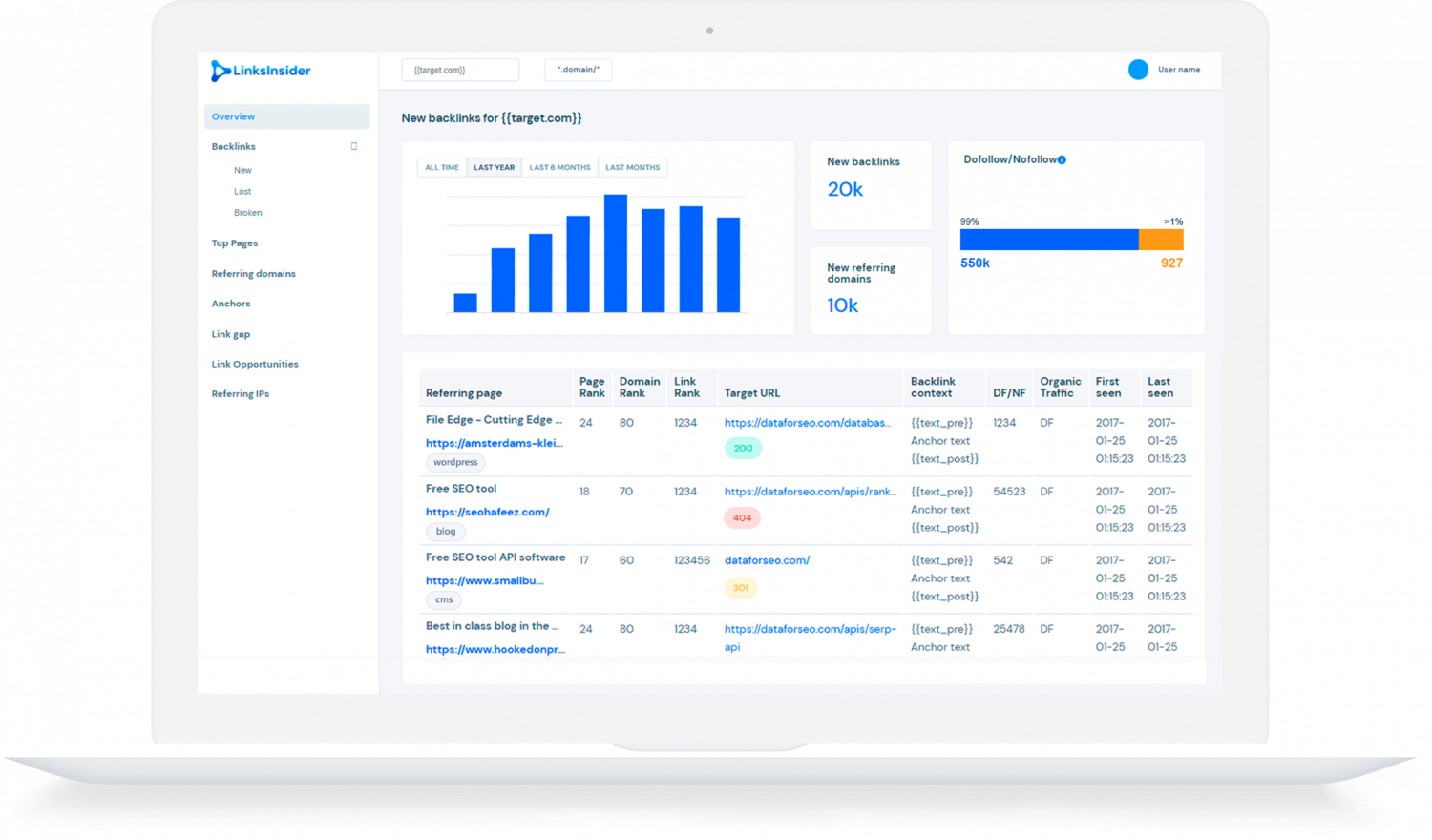
1. Earn Relevant Backlinks Backlinks are links from other websites to your website. A relevant backlink can help people discover your content and may indicate that another website considers the referenced resource useful.
For example, an industry association might link to a company's original guide because its members can use that resource. The link has a clear purpose for readers beyond simply influencing search rankings.
Focus on relevance, editorial context, and genuine value, rather than collecting as many links as possible.
2. Use Digital PR and Industry Relationships Digital PR involves sharing useful insights, original research, expert commentary, or newsworthy information with relevant publications. Industry partnerships can also create opportunities for genuine references when those links help customers or members.
For example, a business that publishes an original report about an industry challenge could share it with relevant journalists and professional organizations. If a publication chooses to cite the report, the resulting coverage may build awareness and provide a useful backlink.
Creating resources worth referencing is far more sustainable than sending mass outreach messages asking unrelated websites to link to you.
3. Build a Credible Local Presence Local businesses can support their visibility by keeping business information accurate, responding professionally to reviews, and building genuine relationships with relevant local organizations.
For example, a restaurant or agency might collaborate with a nearby event organizer and be listed on the partner's resource page. A relevant reference helps people discover the business without relying on artificial link-building tactics.
Google says local results are mainly influenced by relevance, distance, and prominence. Accurate business information and authentic reviews can support a business's local presence, but businesses cannot pay Google to guarantee a better local ranking. Read Google Business Profile Help.
4. Avoid Manipulative Link-Building Practices Google's spam policies identify buying or selling links to manipulate rankings, automated link creation, excessive link exchanges, and manipulative guest-post schemes as link spam. See Google Search Central — Spam Policies.
Avoid buying backlinks for ranking manipulation, generating links with automated tools, submitting to spammy directories solely for SEO, or publishing low-value guest posts mainly to insert keyword-rich anchor text. Paid placements can be legitimate advertising, but paid links should always include appropriate attributes such as rel="sponsored" or rel="nofollow".
What Is the Difference Between Technical SEO and On-Page SEO?
Technical SEO focuses on the conditions that help search engines access, render, and index website pages. On-page SEO focuses more broadly on content, relevance, structure, and page elements, although some activities overlap.
| Area | Typical work | Example |
|---|---|---|
| On-page SEO | Content, titles, headings, internal links, images | Rewrite a service page to answer customer questions |
| Technical SEO | Crawlability, indexability, redirects, canonicalization | Fix an important page that search engines cannot access |
| Off-page SEO | Backlinks, digital PR, external recognition | Earn a relevant link from an industry publication |
For example, rewriting a service page's headings is an on-page task, while fixing a server error or canonical tag that prevents indexing is a technical task.
A useful page may struggle to appear in search results if search engines cannot access or index it correctly. Technical fixes, however, cannot replace helpful content or genuine external recognition. See Google's crawling and indexing documentation for further guidance.
Which Should You Prioritize: On-Page SEO or Off-Page SEO?
Fix on-page and technical problems first when your pages are unclear, unhelpful, or inaccessible. If your content already answers searchers' needs and your website is technically sound, but relevant competitors have stronger external recognition, off-page work may deserve more attention.
The right priority depends on the problem you are trying to solve—not a fixed ratio of content work to link building.
For a New Website Start with useful service or informational pages, clear navigation, descriptive titles, and technical accessibility. A new business should make sure visitors can understand its offering before investing heavily in outreach. Learn more in our guide on how to rank a website on Google's first page.
For an Established Website Review search performance and compare the pages that matter to your business with relevant competitors. If your content is useful and technically accessible but lacks relevant external references, consider digital PR, industry relationships, and resources that other websites may want to cite.
For a Local Business Combine location-relevant website content with accurate business information, authentic reviews, and legitimate local references. Explore DigiSevaks local SEO services for regional optimization.
For a broader multi-channel strategy, explore our full suite of digital marketing services.
Which Tools Help Analyze On-Page and Off-Page SEO?
SEO tools help you diagnose problems, measure performance, and identify opportunities. Free tools are often enough to start, while paid tools can provide broader competitive and backlink research.
| Tool | Main use | Cost approach |
|---|---|---|
| Google Search Console | Search queries, impressions, clicks, indexing, page performance | Free |
| Google Analytics 4 | Website engagement and configured conversions | Standard version free |
| PageSpeed Insights | Page performance and available Core Web Vitals data | Free |
| Screaming Frog SEO Spider | Crawl pages to inspect titles, headings, links, and status codes | Free version with limits; paid licence available |
| Ahrefs | Backlink analysis, referring domains, competitor research | Features and plans vary |
| Semrush | Keyword, competitor, and backlink research | Features and plans vary |
| Google Alerts | Monitor brand mentions and industry topics | Free |
How to Use These Tools in Practice - For on-page SEO: Use Google Search Console to identify pages receiving impressions and clicks. Inspect their content and indexing status, then use PageSpeed Insights or Screaming Frog to investigate usability and technical health. - For off-page SEO: Use a backlink analysis tool to examine referring domains, linking pages, and the context of external links. Look for relevant partnership opportunities instead of copying low-quality links. - For business outcomes: Use Google Analytics 4 to measure relevant engagement and conversions. For example, a service business should assess whether organic visitors submit enquiry forms rather than judging success by page views alone.
Third-party SEO metrics are estimates, not Google's own ranking scores. Use them to inform decisions alongside Search Console data, analytics, and your actual business objectives.
How Can You Combine On-Page and Off-Page SEO in One Strategy?
A combined SEO strategy improves website content, ensures search engines can access important pages, and builds legitimate visibility beyond the website. The most useful priorities depend on your audience, website condition, competition, and business goals.
Follow this practical workflow: 1. Research your audience and keywords: Identify relevant search queries and the needs behind them. 2. Improve important pages: Make service, product, and informational pages useful, accurate, and easy to navigate. 3. Check technical accessibility: Review crawlability, indexability, redirects, internal links, and relevant performance issues. 4. Record baseline performance: Track impressions, clicks, organic visits, and configured conversions. 5. Identify external opportunities: Research relevant publications, organizations, communities, and potential partners. 6. Earn legitimate references: Share useful resources and develop relationships that can naturally result in relevant coverage or backlinks. 7. Measure and refine: Review search visibility, referral traffic, qualified enquiries, and conversions, then adjust your priorities based on evidence.
What's Next? Use This On-Page and Off-Page SEO Checklist
Use this checklist to turn SEO recommendations into manageable tasks. Start with improvements you can control directly, then work on external visibility through genuine relationships and useful resources.
On-Page and Technical SEO Checklist - [x] Review your most important website pages. - [x] Check titles, headings, and content against search intent. - [x] Improve thin, outdated, or unclear content. - [x] Add relevant internal links with descriptive anchor text. - [x] Optimize informative images and check mobile usability. - [x] Investigate important crawlability and indexing issues. - [x] Record baseline search performance and conversions in Google Search Console.
Off-Page SEO Checklist - [x] Review existing backlinks and identify potentially manipulative patterns. - [x] Identify relevant industry publications, businesses, and organizations. - [x] Create useful resources, calculators, or guides that deserve genuine references. - [x] Build authentic industry and local relationships. - [x] Encourage honest customer feedback and reviews across platforms. - [x] Avoid buying links intended to manipulate search rankings. - [x] Track referring domains, referral visits, and actual lead conversions.
How Should You Measure SEO Progress? Review SEO performance according to your website's size, publishing activity, and business goals. A monthly review is a practical starting point for most small and medium businesses.
If a page receives impressions but few clicks, review whether its search-result title and snippet match what searchers expect. If organic visits increase without generating enquiries, assess whether the page answers customer questions and makes the next step clear.
Conclusion: Why Do On-Page and Off-Page SEO Work Best Together?
On-page SEO improves your website's content and structure, while off-page SEO helps build recognition beyond it. Neither replaces the other: useful pages give visitors a reason to stay and act, while legitimate external references can help people discover those pages.
Start by fixing unclear content and important technical problems. Once your pages serve their purpose, build external visibility through relevant resources, industry relationships, and credible references.
If your business needs professional guidance assessing its website, content, and organic search opportunities, explore DigiSevaks Media Agency's SEO services.
About the Publisher & Editorial Team
Written by: DigiSevaks Media Agency Team The DigiSevaks Media Agency Team publishes actionable guides and research on search engine optimization, website architecture, performance marketing, and digital growth.
Reviewed by: DigiSevaks Media Agency Editorial Team This guide was reviewed for technical accuracy, search guideline compliance, and practical clarity.
Transparency note: AI assistance was used in preparing this article. Human editorial review verifies factual claims, tool instructions, links, and recommendations before publication.
Official References
- Google Search Central: SEO Starter Guide
- Google Search Central: Link Best Practices
- Google Search Central: Title Links in Search
- Google Search Central: Spam Policies on Link Spam
- Google Search Central: Crawling and Indexing Overview
- Google Business Profile Help: Improve Local Ranking
- Google Search Console Help: Performance Reports